Common Causes of Damage in Brick and Stone Flatwork
To address common causes of damage in brick and stone flatwork, local contractors can assess issues like settling, weathering, and improper installation to provide effective repair solutions.
Understanding the common causes of damage in brick and stone flatwork is essential for property owners looking to maintain the integrity and appearance of their outdoor surfaces. Over time, factors such as ground shifting, exposure to moisture, freeze-thaw cycles, and improper installation can lead to cracks, uneven settling, or deterioration. Recognizing these issues early can help prevent more extensive and costly repairs down the line. Local contractors experienced in brick and stone flatwork damage repair are well-equipped to assess the specific causes affecting a property and recommend effective solutions to restore and preserve these valuable surfaces.
For property owners in the area, exploring the common causes of damage in brick and stone flatwork is a practical step toward protecting their investment. Whether dealing with minor cracks or more significant structural concerns, understanding what contributes to damage can guide timely maintenance and repairs. Local service providers specializing in flatwork repair have the skills to address these issues, ensuring that surfaces remain safe, functional, and visually appealing. Keep reading to learn more about how these common factors impact flatwork and how local experts can help address them effectively.
- Brick and stone flatwork damage repair services are often needed when settling or shifting causes cracks and uneven surfaces that require professional stabilization. Local contractors assess the extent of damage caused by freeze-thaw cycles and implement repairs to restore stability. When water infiltration leads to deterioration or spalling, service providers use targeted techniques to prevent further damage. Damage from improper installation or heavy loads can result in cracking, prompting repairs from experienced local pros. Weather-related wear and tear, such as frost damage, often necessitate expert restoration to maintain flatwork integrity.
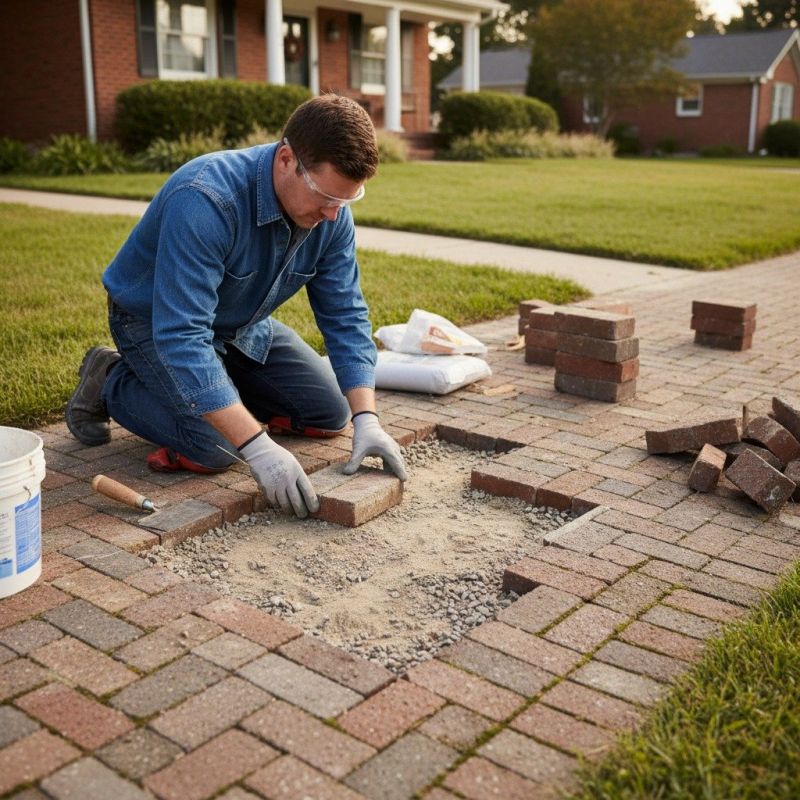
When homeowners search for information about common causes of damage in brick and stone flatwork, they are typically concerned about understanding why their paved surfaces may be deteriorating or developing issues. Flatwork made from brick and stone is a popular choice for patios, walkways, driveways, and decorative surfaces, but it can be vulnerable to various types of damage over time. Recognizing the root causes helps property owners plan repairs effectively and prevents further deterioration. This topic often relates to concerns about safety, appearance, and the longevity of outdoor surfaces, prompting inquiries into what might be causing cracks, shifting, or surface spalling.
Many problems associated with brick and stone flatwork are linked to environmental factors and improper installation. For example, exposure to freeze-thaw cycles can cause expansion and contraction within the material, leading to cracks and surface spalling. Water infiltration is another common culprit, especially when drainage is inadequate, allowing moisture to seep into the joints or beneath the surface. Over time, this moisture can weaken the mortar or bedding material, resulting in uneven settling or shifting. Additionally, poor compaction during installation or the use of substandard materials can accelerate damage, making the flatwork more prone to cracking and deterioration.
In addition to environmental influences, regular use and heavy loads can contribute to damage in brick and stone flatwork. Driveways and walkways subjected to frequent, heavy traffic or weighty objects may develop cracks or uneven surfaces due to stress and pressure. Ground movement caused by soil settling or shifting also plays a significant role, especially in areas with expansive clay soils or poor drainage. Over time, this movement can cause the flatwork to crack, heave, or become uneven. Property owners often seek the expertise of local contractors who specialize in damage repair to address these issues, restore the surface’s integrity, and ensure it remains safe and functional.
Certain types of properties are more likely to experience damage in brick and stone flatwork, particularly those exposed to harsh weather conditions or with challenging soil conditions. Residential properties with expansive or poorly compacted soils are at higher risk of shifting and cracking. Commercial properties with high foot or vehicle traffic may see quicker wear and tear, especially if the surfaces are not properly maintained. Additionally, properties located in climates with significant temperature fluctuations or frequent freeze-thaw cycles tend to encounter more frequent damage. Local service providers experienced in damage repair can assess these specific conditions, identify the causes of deterioration, and recommend appropriate solutions to prolong the life of brick and stone flatwork.
Paving and patio installation - these projects involve similar planning and skills to repair damage in brick and stone flatwork, requiring knowledge of proper surface preparation and material handling.
Retaining wall construction - understanding soil pressure and drainage issues in retaining walls shares techniques with addressing foundational problems in flatwork damage repair.
Driveway repair and resurfacing - local contractors experienced in driveway work often handle issues related to cracking and settling in flatwork surfaces.
Walkway and sidewalk installation - these projects demand similar skills in leveling, joint sealing, and addressing surface deterioration as those needed for flatwork repairs.
Stone veneer and cladding projects - working with stone materials and understanding load distribution relate closely to repairing and maintaining stone flatwork.
Landscape paving and garden path construction - these projects involve similar planning and material considerations that are essential when addressing common causes of damage in flatwork surfaces.
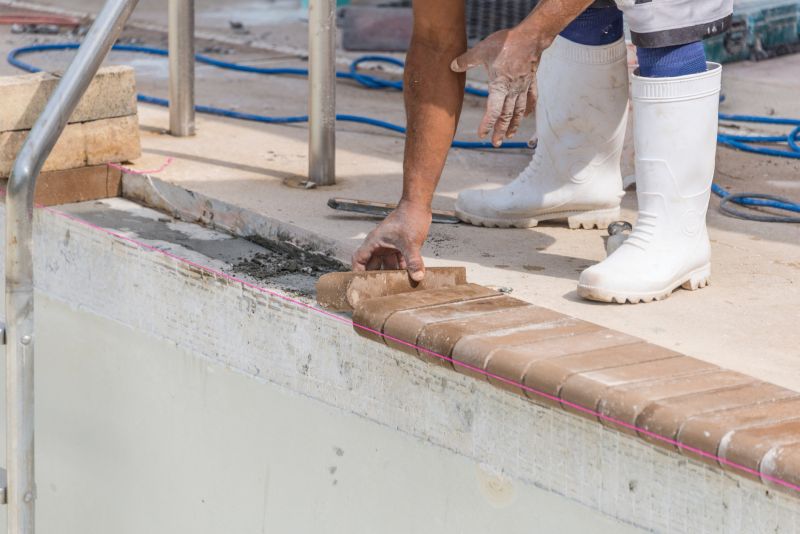
When evaluating service providers for brick and stone flatwork damage repair, it is important to consider their experience with similar projects. Contractors who have a proven track record working on brick and stone flatwork can better understand the common causes of damage and the specific challenges associated with these materials. An experienced local contractor is more likely to recognize underlying issues that may not be immediately visible, such as shifting foundations or improper installation, and can tailor repair solutions accordingly. Asking for examples of past work or references related to flatwork repairs can help gauge their familiarity and success with projects similar to the one at hand.
Clear written expectations are essential when comparing local contractors for flatwork repairs. A detailed scope of work should outline the specific repairs needed, the materials to be used, and the overall process involved. This clarity helps ensure that both parties are aligned on project goals and reduces the risk of misunderstandings. Homeowners should seek service providers who can provide comprehensive written estimates and explanations of what the repair process will entail, including how they plan to address the common causes of damage in brick and stone flatwork, such as moisture infiltration or structural shifting.
Good communication and reputable references are key factors in selecting a reliable local contractor. Service providers who maintain open lines of communication can better inform homeowners about the progress of repairs and address any questions or concerns promptly. Furthermore, references or reviews from previous clients can offer insight into the contractor’s professionalism, quality of work, and ability to handle issues that may arise during the repair process. Choosing a contractor with a solid reputation and a history of clear, consistent communication can help ensure that repairs are completed effectively and that the homeowner’s expectations are met throughout the project.
Property owners often search for common causes of damage in brick and stone flatwork when they are planning practical projects around their homes and businesses. Local pros provide Brick and Stone Flatwork Damage Repair services for everyday jobs and straightforward project options.
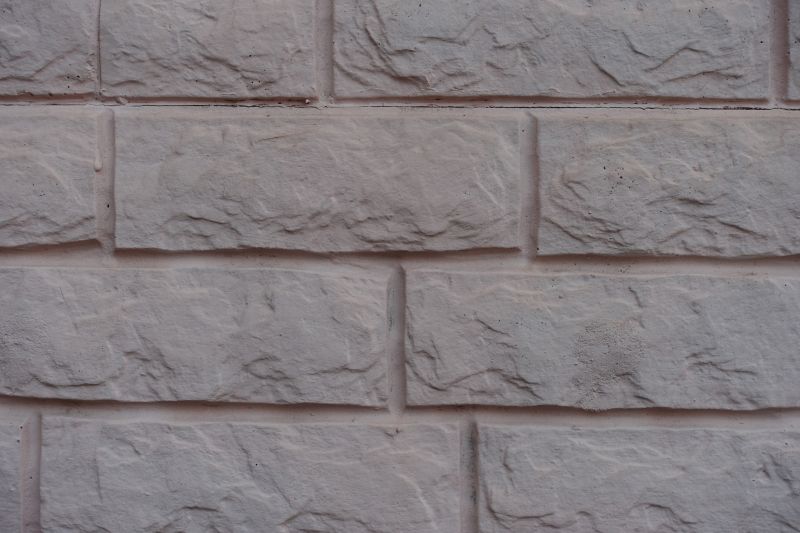
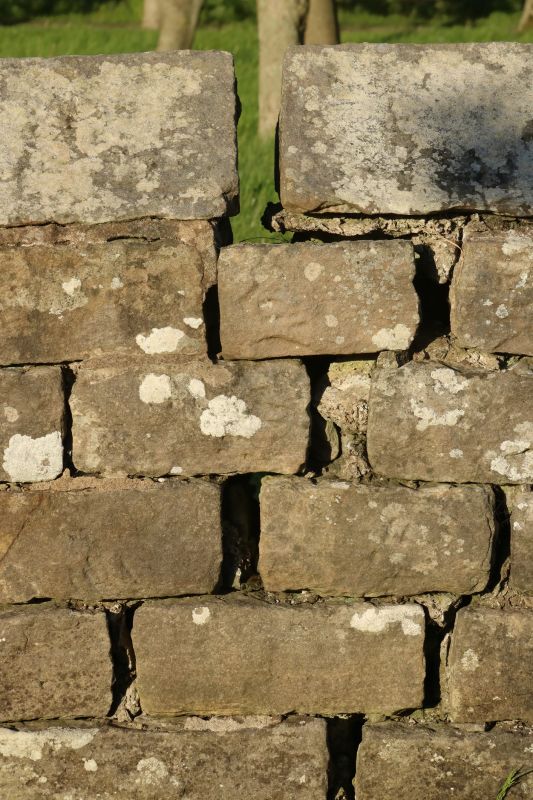
Understanding the common causes of damage in brick and stone flatwork can help property owners identify issues early and seek timely repairs. Everyday situations such as heavy foot traffic, improper installation, or exposure to harsh weather conditions can lead to cracks, shifting, or surface deterioration. For instance, freeze-thaw cycles can cause moisture to expand within the material, resulting in cracking or spalling over time. Additionally, neglecting proper drainage can lead to water pooling around flatwork, accelerating deterioration and structural problems.
Property owners in the area often look for professional services to address these issues because damage can compromise both safety and appearance. Local contractors experienced in brick and stone flatwork repair are equipped to assess the extent of damage and recommend appropriate solutions. Whether dealing with minor cracks or more significant structural concerns, these service providers can help restore flatwork to its original condition, preventing further damage and maintaining the property's value.
What are common causes of damage in brick and stone flatwork? Common causes include freeze-thaw cycles, water infiltration, improper installation, and structural shifting, which can lead to cracking, spalling, or uneven surfaces. Local contractors experienced in flatwork repair can assess and address these issues effectively.
How does water infiltration damage brick and stone flatwork? Water can seep into cracks or porous materials, causing expansion during freezing and weakening the structure over time. Professional repair services can seal and reinforce flatwork to prevent further water-related damage.
Can improper installation lead to damage in brick and stone flatwork? Yes, poor installation practices such as inadequate base preparation or incorrect joint placement can cause settling, cracking, or uneven surfaces. Skilled local service providers can correct installation issues and restore flatwork integrity.
What role does structural shifting play in flatwork damage? Movement in the underlying soil or foundation can cause the flatwork to crack or become uneven. Experienced contractors can identify the causes of shifting and perform repairs to stabilize and reinforce the flatwork.
How do freeze-thaw cycles contribute to damage in brick and stone flatwork? Repeated freezing and thawing cause expansion and contraction in the materials, leading to cracks and surface deterioration. Local pros can repair and reinforce flatwork to withstand these cycles and prevent further damage.
Water infiltration - Proper drainage and sealing can prevent water from seeping into brick and stone flatwork, reducing the risk of cracking and erosion with help from local contractors.
Heavy loads and weight - Avoid placing excessive weight on flat surfaces to prevent structural stress, and consult local pros for reinforcement solutions when needed.
Ground movement and settling - Monitoring soil stability and addressing foundation issues early can help maintain flatwork integrity, with local service providers offering stabilization options.
Poor installation practices - Ensuring proper laying techniques and quality materials can minimize damage, and local contractors can provide expert installation or repair services.
If you are thinking about common causes of damage in brick and stone flatwork for a property, this guide is meant to help you understand this topic, the typical project types, and how different options might fit your plans.
When you are ready, you can use the quote form on this page to share a few details about your project. From there, local pros can review the basics and follow up with options that match what you have in mind.