Common Causes of Damage in Commercial Brick and Stone Flatwork
To address common causes of damage in commercial brick and stone flatwork, local contractors can assess and repair issues like settling, cracking, and water damage effectively.
Understanding the common causes of damage in commercial brick and stone flatwork is essential for property owners looking to maintain the integrity and appearance of their outdoor spaces. Over time, factors such as freeze-thaw cycles, moisture infiltration, and ground movement can lead to cracks, shifting, or deterioration of flatwork surfaces. Recognizing these issues early can help prevent more extensive and costly repairs down the line. Property owners in the area often explore this topic to better understand how environmental conditions and regular wear-and-tear impact their investments, ensuring they can make informed decisions about maintenance and repairs.
Local contractors who specialize in brick and stone flatwork repair are well-equipped to address these common damage causes. They can assess the specific conditions affecting a property and recommend appropriate solutions to restore stability and durability. Whether it’s addressing cracks caused by temperature changes or fixing settlement issues, these service providers play a vital role in helping property owners protect their flatwork assets. Continued reading can provide valuable insights into how understanding these causes can lead to more effective preservation and repair strategies.
- When cracks or uneven surfaces appear in commercial brick or stone flatwork, local contractors can assess and repair the damage caused by settling or ground movement. - Water infiltration leading to deterioration often requires professional repair to address damage from freeze-thaw cycles or poor drainage systems. - Spalling or surface flaking in flatwork can result from exposure to harsh weather conditions, with local pros providing restoration solutions. - Efflorescence or staining on brick and stone surfaces may signal moisture issues that trained service providers can remediate through proper repair methods. - Damage caused by heavy loads or impact impacts the integrity of flatwork, with local contractors capable of restoring strength and durability through targeted repairs.
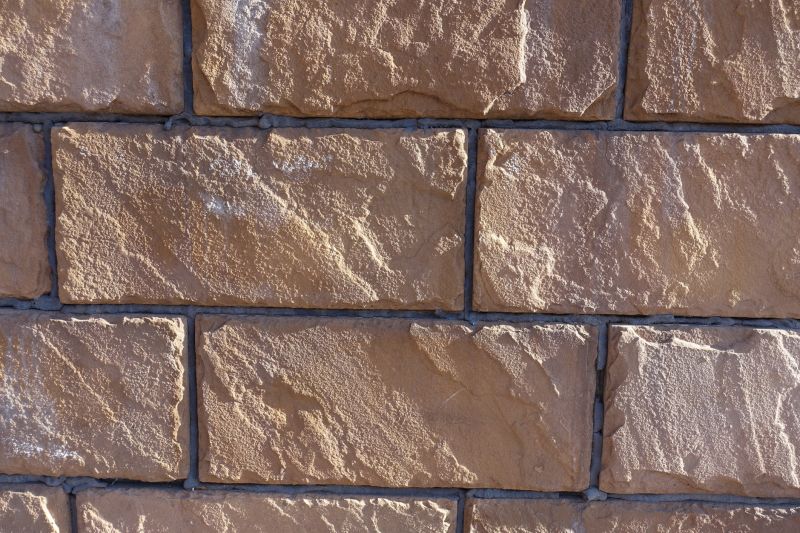
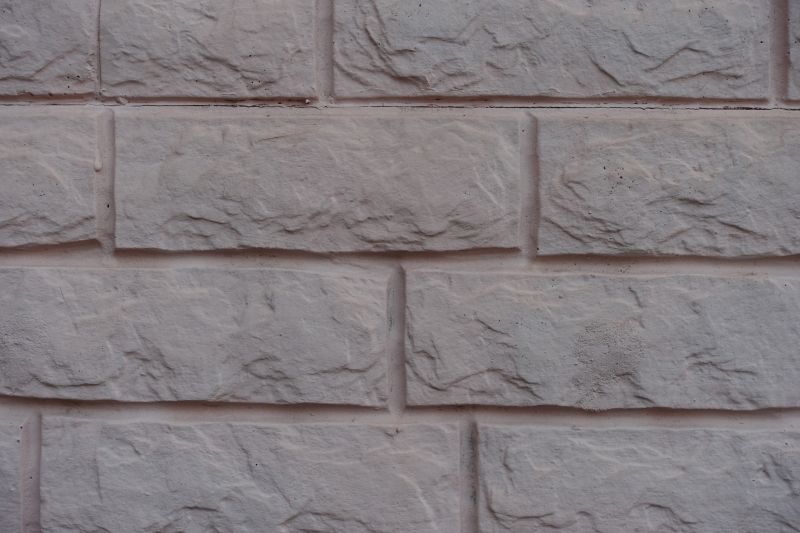
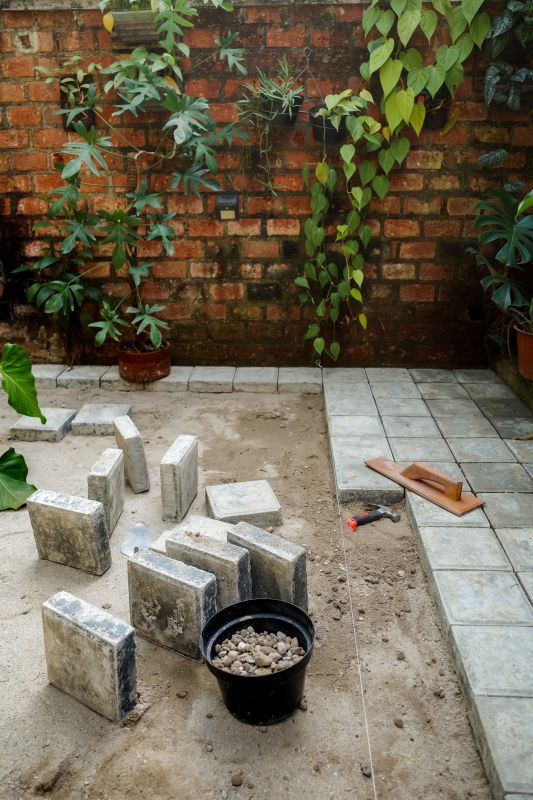
When searching for information about common causes of damage in commercial brick and stone flatwork, property owners are typically trying to understand why their paved surfaces are deteriorating or developing issues. These flat surfaces, often found in parking lots, walkways, plazas, and outdoor seating areas, are essential for the functionality and appearance of commercial properties. Damage can manifest as cracks, loose bricks or stones, uneven surfaces, or crumbling edges. Property managers and business owners want to identify the root causes to plan effective repairs and prevent further deterioration, ensuring their outdoor spaces remain safe and visually appealing.
Many problems related to damage in commercial brick and stone flatwork stem from environmental factors and structural issues. For example, freeze-thaw cycles can cause expansion and contraction in the materials, leading to cracks and surface spalling. Water infiltration is another common culprit, especially when drainage is poor or the surface isn’t properly sealed, allowing moisture to weaken the underlying mortar or bedding layers. Additionally, heavy traffic or repetitive loads can place stress on the flatwork, causing it to shift or crack over time. Understanding these causes helps property owners recognize early warning signs and seek the appropriate repairs from experienced service providers.
The types of properties most often affected by damage in commercial brick and stone flatwork include retail centers, office complexes, industrial parks, and multi-family residential buildings. These properties typically feature large paved areas that endure constant use and exposure to the elements. Parking lots with brick or stone pavers are particularly vulnerable to displacement and cracking due to vehicular weight and surface wear. Walkways and plazas with decorative stonework may experience surface erosion or loose stones if the foundation isn’t properly prepared or if the materials are exposed to moisture and temperature fluctuations. Knowing the property type helps in understanding the specific challenges and the kinds of repairs that local contractors can perform to restore the flatwork’s integrity.
Addressing common causes of damage in commercial brick and stone flatwork involves working with experienced service providers who understand the nuances of these materials. Local contractors can assess the underlying issues-such as poor drainage, foundation instability, or material deterioration-and recommend targeted repairs. Whether it’s replacing broken bricks, re-grouting loose stones, or installing better drainage solutions, these professionals help ensure that flatwork remains durable and safe for everyday use. Connecting with local experts provides property owners with the expertise needed to manage and repair damage effectively, preserving the value and functionality of their outdoor spaces.
Concrete paving projects - local contractors experienced in concrete paving share skills in proper substrate preparation and joint installation, which are essential for preventing damage in brick and stone flatwork.
Retaining wall construction - experts in retaining wall building utilize planning and drainage techniques that help mitigate common causes of damage affecting flatwork longevity.
Patio and walkway installations - service providers specializing in patios and walkways apply similar skills in material selection and surface leveling to reduce cracking and shifting.
Fire pit and outdoor kitchen builds - professionals working on outdoor features use knowledge of material expansion and moisture control, relevant to maintaining durable flatwork surfaces.
Landscape paving and edging - local pros in landscape paving focus on proper joint filling and base stabilization, which are key to preventing damage in flatwork projects.
Structural crack repair - experts in crack repair for various surfaces understand the causes of damage that also affect commercial brick and stone flatwork, enabling effective restoration solutions.
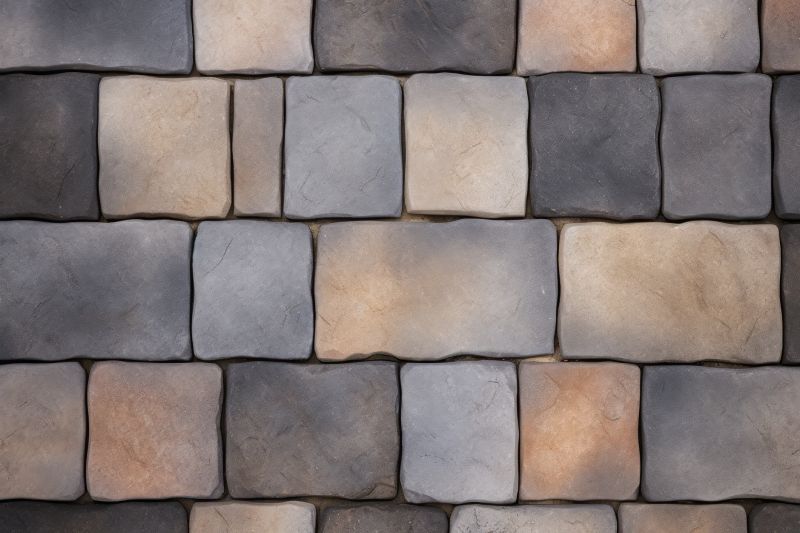
When evaluating service providers for commercial brick and stone flatwork repair, it is important to consider their experience with similar projects. Contractors who have handled damage caused by common issues such as freeze-thaw cycles, moisture intrusion, or improper installation are more likely to understand the specific challenges these problems present. An experienced local contractor can identify underlying causes of damage more accurately and recommend appropriate repair methods, helping ensure the longevity and stability of the flatwork.
Clear and detailed written expectations are essential when comparing local contractors. A reputable service provider should be able to outline the scope of work, materials to be used, and the steps involved in addressing common causes of damage. This transparency helps prevent misunderstandings and ensures that the repair process aligns with the specific needs of the property. Well-defined expectations also make it easier to evaluate proposals and select a contractor who can deliver quality work that addresses the root causes of damage effectively.
Reputable references and strong communication skills are key indicators of a reliable service provider. Contractors who can provide references from previous clients with similar projects demonstrate their ability to deliver satisfactory results. Good communication throughout the process ensures that questions are answered, concerns are addressed, and project progress is clearly understood. These qualities contribute to a smoother repair experience and help ensure that the flatwork is restored properly, minimizing the risk of recurring issues related to common causes of damage.
Property owners often search for common causes of damage in commercial brick and stone flatwork when they are planning practical projects around their homes and businesses. Local pros provide Commercial Brick and Stone Flatwork Repair services for everyday jobs and straightforward project options.
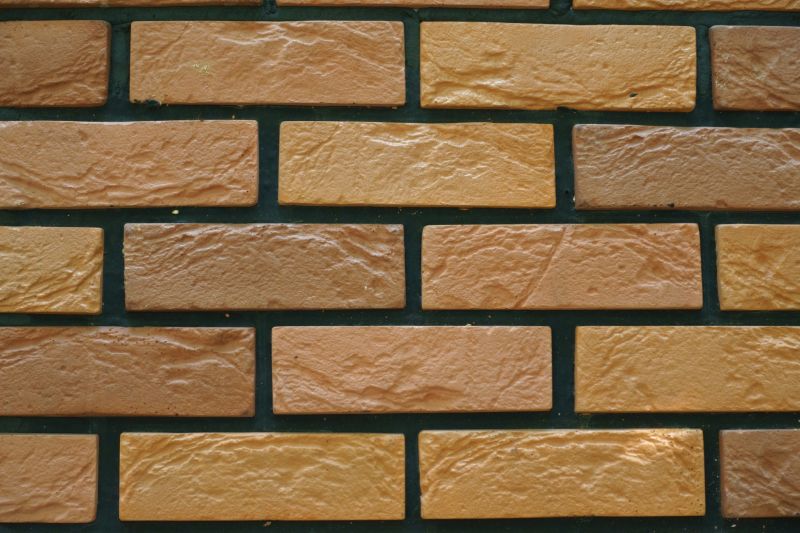
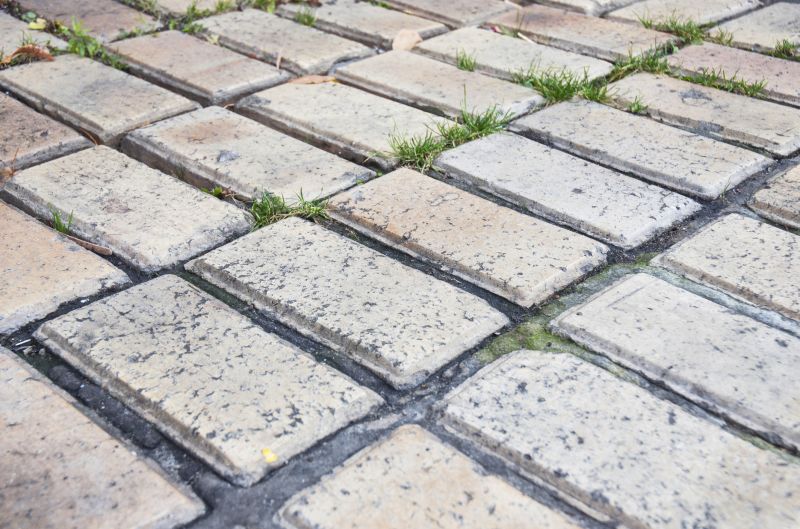
Understanding the common causes of damage in commercial brick and stone flatwork can help property owners identify issues early and seek appropriate repairs. Everyday situations like heavy foot or vehicle traffic can gradually wear down the surface, leading to cracks or uneven areas. Exposure to moisture, whether from rain, snow, or leaks, can cause deterioration over time, especially if water seeps into cracks and freezes, expanding and worsening the damage. Additionally, improper installation or poor drainage around the flatwork can create stress points, resulting in shifting or cracking that affects the overall stability and appearance.
Property owners in the area often look into repair services when they notice signs of damage such as loose or crumbling bricks and stones, or when surface irregularities become safety concerns. Common causes like freeze-thaw cycles, ground movement, or accidental impacts from equipment or vehicles can compromise the integrity of brick and stone flatwork. Local contractors experienced in commercial flatwork repair are equipped to address these issues, restoring the durability and aesthetic appeal of the surface. Connecting with skilled service providers can help ensure that damage is properly assessed and repaired to maintain the property's value and safety.
What are common causes of damage in commercial brick and stone flatwork? Damage often results from exposure to freeze-thaw cycles, improper installation, or heavy loads that stress the material, leading to cracking or spalling. Local contractors experienced in flatwork repair can assess and address these issues effectively.
How does water infiltration contribute to damage in brick and stone flatwork? Water can seep into cracks or porous surfaces, causing deterioration through freeze-thaw cycles or erosion. Service providers can identify and seal leaks to prevent further damage and restore flatwork integrity.
Can structural movement cause damage to brick and stone flatwork? Yes, ground settling or shifting foundations can lead to cracks and uneven surfaces. Local repair specialists can evaluate movement causes and perform necessary stabilization or repair work.
What role does improper installation play in flatwork damage? Incorrect placement, inadequate compaction, or poor joint design can lead to early deterioration. Skilled contractors can correct installation flaws and reinforce the flatwork to enhance durability.
How do environmental factors impact the lifespan of brick and stone flatwork? Factors like temperature fluctuations, moisture, and pollution can accelerate wear and damage. Local pros can provide maintenance and repair services to mitigate environmental effects and prolong flatwork life.
- Property owners can work with local contractors to identify and seal cracks or gaps that allow water to penetrate brick and stone flatwork, preventing further damage.
- Regular inspections by local pros can help detect signs of frost action and recommend proper drainage or protective measures to reduce cracking and spalling.
- Ensuring proper base preparation and joint placement with the help of experienced contractors can minimize shifting and structural stress on flatwork surfaces.
- Consulting with local experts about load limits and implementing protective barriers can help prevent surface deformation and surface wear in high-traffic areas.
If you are thinking about common causes of damage in commercial brick and stone flatwork for a property, this guide is meant to help you understand this topic, the typical project types, and how different options might fit your plans.
When you are ready, you can use the quote form on this page to share a few details about your project. From there, local pros can review the basics and follow up with options that match what you have in mind.